Anti-slip flooring increases the friction between a foot or shoe and the floor surface, making it harder for a slip to occur. Whether you’re looking at anti-slip floor coating for a commercial kitchen or anti-slip protection for a wet room, understanding how the technology works helps you choose the right solution for your environment.
The Science Behind It
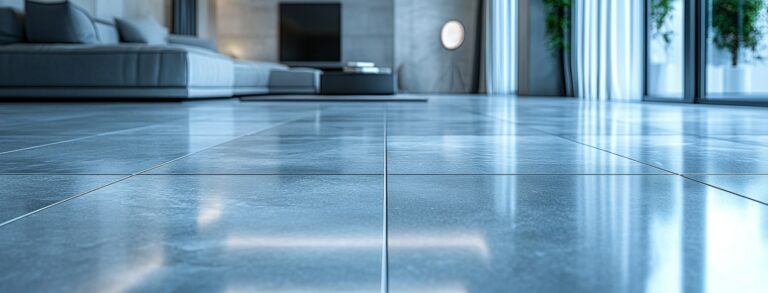
Every floor has a coefficient of friction (CoF), which is the measure of how much resistance it offers against sliding movement. The higher the CoF, the more grip the surface provides. A polished tile in a wet lobby might have a dangerously low CoF. A floor with the correct anti-slip protection applied will have a CoF high enough to prevent a foot from sliding even when wet.
Anti-slip flooring raises that number through one or more of the following mechanisms.
The Main Mechanisms Of Anti-Slip Flooring
Surface texture
Many anti-slip floors are manufactured with a raised profile, diamond plate, ribbed, or studded patterns. These textures create multiple contact points across the sole of a shoe, increasing grip and resisting lateral movement.
Aggregate particles
Anti-slip floor coatings typically incorporate fine particles such as aluminium oxide, silicon carbide, or quartz. These are embedded into or bonded onto the floor surface and grip the sole of a shoe, resisting sliding even when the floor is wet, greasy, or contaminated.
Chemical etching
Some treatments work by chemically etching the microscopic surface of tiles or stone, opening up tiny pores and channels. This increases the surface area in contact with the foot and allows liquid to drain away from underfoot, which is the primary reason wet floors become dangerous.
Adhesion coatings
Certain anti-slip floor coatings cure into a flexible, rubberised layer that grips the foot through physical bonding rather than texture alone. These are widely used on ramps, stairs, and external surfaces where a hard-wearing, long-lasting solution is needed.
What Anti-Slip Protection Prevents
Effective anti-slip protection keeps the foot where the person puts it. In practice, that means preventing:
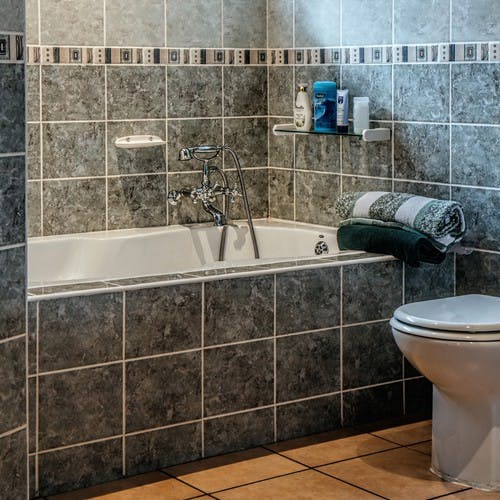
- Slips on wet floors in kitchens, bathrooms, changing rooms, and building entranceways
- Falls on stairs and ramps, where a single slip can result in serious injury
- Oil and grease-related accidents in catering, manufacturing, and automotive environments
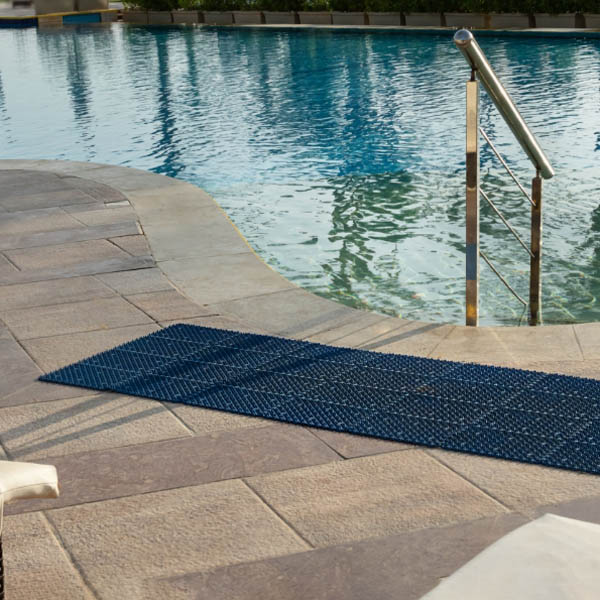
- Incidents on outdoor surfaces exposed to rain, algae, or frost
- Workplace injuries and public liability claims resulting from preventable slip incidents
Anti-Slip Floor Coating: What It Does and Where It’s Used
An anti-slip floor coating is a product applied on top of an existing floor surface that creates a new wearing layer with built-in grip. Unlike a treatment that works invisibly within the floor, a coating physically changes the surface to deliver lasting slip resistance.
Safety Direct Group NS21 Anti-Slip Treatment
One example of a treatment-based approach is the NS21 system, which is a professionally applied treatment designed to improve slip resistance without altering the surface appearance.
Unlike traditional coatings or abrasive methods, NS21 works by chemically bonding with the floor surface to create a micro-structured surface that increases traction.
How NS21 works
- Applied directly to the existing floor by trained technicians
- Uses an aqueous-based polymer that bonds at a microscopic level
- Forms a honeycomb-like structure within the surface
- Creates a mild suction effect underfoot, increasing grip in wet or greasy conditions
This approach improves the coefficient of friction (CoF) without adding a visible layer or changing the texture of the floor.
How it differs from other methods
Compared to standard anti-slip approaches:
- Does not rely on surface roughening (like acid etching or sand blasting)
- Does not apply a coating layer that can wear or peel
- Does not visibly change the floor’s finish or colour
Instead, the treatment works within the surface itself, maintaining the original appearance while improving slip resistance. This system is used across commercial, public, and residential environments where slip risk needs to be reduced without replacing flooring.
Get the Right Anti-Slip Protection for Your Floor
Slips and falls are largely preventable. The right anti-slip floor coating or treatment, correctly specified and applied, can transform a hazardous surface into one that meets and exceeds current safety standards.
If you’re assessing what solution is suitable for your environment, see your options to compare anti-slip floor coatings and treatments and understand which approach is most appropriate for your floor type and level of risk.
Frequently Asked Questions
What is anti-slip flooring?
Anti-slip flooring refers to any surface or treatment designed to increase grip underfoot and reduce the risk of slipping. This can include textured materials, anti-slip coatings, or chemical treatments that improve the floor’s coefficient of friction (CoF).
How does anti-slip flooring work?
Anti-slip flooring works by increasing friction between the foot (or shoe) and the floor surface. This is achieved through surface texture, embedded particles, or microscopic changes to the material that improve grip, especially in wet or contaminated conditions.
What is the difference between anti-slip coating and treatment?
An anti-slip coating adds a new layer on top of the floor, often containing grit or rubberised materials to improve traction.
An anti-slip treatment works within the surface itself, typically using a chemical process to create microscopic texture without changing the floor’s appearance.
Can anti-slip flooring be applied to existing floors?
Yes, many anti-slip solutions can be applied to existing floors. This allows slip resistance to be improved without the need for full floor replacement.
What does anti-slip flooring prevent?
Anti-slip flooring helps prevent slips and falls caused by water, grease, or smooth surfaces. This reduces the risk of injuries in both residential and commercial environments.