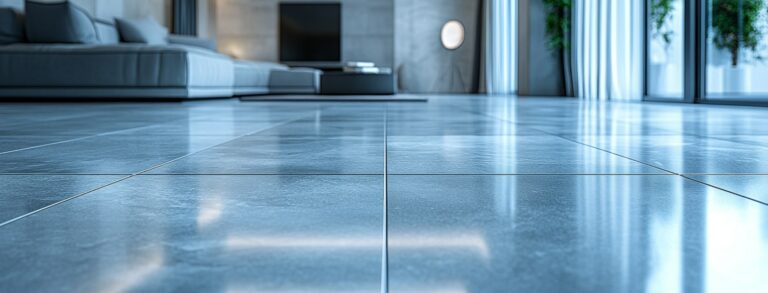
Wet rooms are designed to handle water, but that does not automatically mean the floor is safe when wet. Often, smooth ceramic, porcelain and natural stone tiles can lose considerable traction when water, soap, shampoo and other residues are introduced, leaving an otherwise aesthetic and perfectly serviceable floor feeling dangerously slippery.
The obvious solution might seem to be installing new non-slip wet room flooring; however, completely replacing the floor is not always necessary.
If the existing tiles are otherwise in good condition, professional anti-slip treatment can improve their grip without needing to cover them, change their appearance or require the entire wet room to be re-tiled.
Our NS21 anti-slip treatment is designed to improve traction within the existing surface itself, making it particularly useful where you want to retain your current wet room floor.
If you’re looking at floor safety more broadly, our Complete Guide to Anti-Slip Flooring explains the different anti-slip flooring options available and how to choose the right approach for your surface.
What Is the Best Non-Slip Flooring for a Wet Room?
There isn’t one flooring material that is automatically best for every wet room. The right solution depends on factors including:
- How frequently the area becomes wet
- Whether users are barefoot or wearing footwear
- The existing floor material
- Surface condition
- Cleaning products used
- Drainage
- The people using the space
- The required appearance
Purpose-made safety flooring can be an excellent choice where a new floor is being installed; however,, replacing an existing floor is not always the most practical or cost-effective option If you already have tiled flooring that is in good condition, replacing it purely because it becomes slippery when wet may not be the only option.
Do You Have to Replace Slippery Wet Room Tiles?
No, not always. If the tiles themselves are damaged, loose or otherwise unsuitable, replacement may be necessary; however, if the floor is structurally sound and the main problem is insufficient traction, treating the existing surface may provide a a much less disruptive alternative that may also reduce replacement costs.
This avoids the need to lift the existing tiles and prepare the substrate for new flooring, meaning extended periods where the wet room cannot be used can be avoided.
This can be particularly valuable in hotels, care environments, leisure facilities and other settings where taking bathrooms or shower areas out of use can create operational problems.
How Can You Make Wet Room Tiles Non-Slip?
There are several possible approaches to making wet room tiles non-slip, which we have detailed below:
Anti-slip mats
A mat can provide additional grip in a defined area and may be useful as a short-term measure; however, it does not improve the actual floor itself and may need frequent cleaning, repositioning, or replacement.
Anti-slip stickers and tapes
These products add textured sections to the surface and can provide additional traction in small areas. They are more visible than an invisible treatment and may not be appropriate where the appearance of the flooring is important, such as in hotel rooms.
Anti-slip coatings
An anti-slip coating adds a layer over the existing tile. Depending on the product, this may alter the floor’s appearance or texture and can require reapplication as it wears.
We explain the differences between coatings and our own treatment approach in our guide to NS21 vs anti-slip paint and coatings.
Invisible anti-slip treatment
A professional treatment can improve the traction of suitable existing tiles without requiring a new floor. For suitable existing floors, this is the approach we often recommend, which is why NS21 was developed. Rather than applying a visible grit layer on top, it chemically bonds with the surface and creates a microscopic structure that improves grip underfoot.
Aren’t Bathroom and Wet Room Tiles Already Non-Slip?
Some tiles are specifically manufactured for use in wet or barefoot environments and have enhanced slip resistance; however, others are selected primarily for appearance, durability or ease of cleaning, meaning you can’t rely on them always meeting safety standards.
Even where a tile was originally considered suitable, its real-world performance can be affected by contamination, cleaning, wear and maintenance. That is why it can be useful to assess the actual installed floor rather than relying exclusively on the specification given when the tile was purchased.
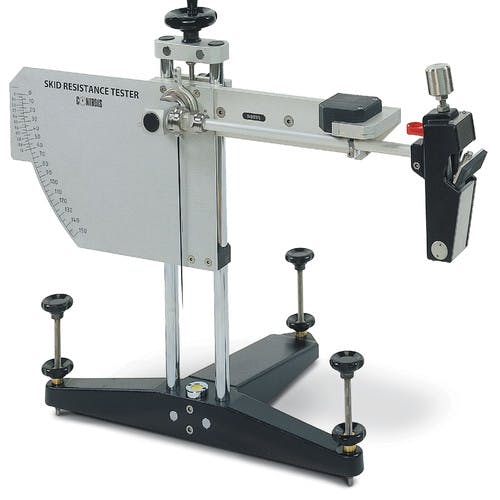
Professional slip resistance testing provides an objective measure of how your existing floor performs. Our mobile testing equipment allows us to assess surfaces on-site in their real environment, including wet testing in areas such as bathrooms, showers and swimming pools.
How Does NS21 Work on Wet Room Flooring?
NS21 is applied directly to the existing flooring by our team. It uses an aqueous-based polymer that bonds with the floor at a microscopic level, creating a honeycomb-like structure within the surface, improving traction without leaving a conventional coating over the tiles.
For a wet room, that has an obvious advantage in that the existing appearance of the floor can be retained while its slip resistance is improved. This is particularly useful in bathrooms, showers, spas and hotel environments where aesthetics matter but wet-floor safety cannot be ignored.
You can read the full explanation in our guide to how anti-slip flooring works.
What Wet Room Surfaces Can Be Treated?
The suitability of any treatment should be confirmed for the individual surface, but NS21 can be used across a broad range of flooring materials, including:
- Ceramic tiles
- Porcelain tiles
- Natural stone
- Concrete
- Resin
- Vinyl
- Timber
If you’re unsure about your flooring type, see our guide to anti-slip protection for different floor tiles and surfaces, or get in touch with our friendly team who will be happy to help with any questions you may have.
Non-Slip Wet Room Flooring for Commercial Environments
Wet-floor safety is particularly important in commercial environments where bathrooms and shower facilities are used frequently. Maintaining appropriate slip resistance can help reduce the risk of slips in high-footfall areas.
Hotels and hospitality
Hotel bathrooms need to balance appearance, cleaning requirements and guest safety. Where existing tiles are still in good condition, anti-slip treatment can improve traction without the disruption of full replacement.
Leisure centres and swimming pools
Changing rooms, shower areas and poolside facilities are exposed to water throughout the day, so flooring should be assessed under realistic wet conditions rather than when dry alone.
Healthcare and care settings
Bathrooms and wet rooms can present a higher risk for people with reduced mobility. Improving floor traction can therefore play an important role in reducing slip risk.
Student accommodation and residential developments
Where multiple bathrooms need attention, treating suitable existing flooring can provide a practical alternative to replacing large areas of otherwise serviceable flooring.
How Do You Know Whether Your Wet Room Floor Is Safe?
If you’re unsure if your wet room floor is safe, the most reliable approach is to test it. We recommend a Pendulum Test in which pendulum equipment is used to measure floor slip resistance and produce a Pendulum Test Value (PTV).
A score of:
36 or above indicates low slip potential
25–35 indicates moderate slip potential
24 or below indicates high slip potential
This is particularly useful for wet rooms because the surface can be assessed under conditions that more closely reflect how it is actually used.
Improve the Safety of Your Wet Room Flooring
If your wet room floor becomes slippery when wet, we can assess the existing surface, carry out professional slip resistance testing and advise whether NS21 is suitable.
Request a quote or get in touch with our team to discuss your wet room flooring.
Frequently Asked Questions About Non-Slip Wet Room Flooring
What is the best non-slip flooring for a wet room?
The best option depends on whether you are installing a new floor or improving an existing one. Specialist safety flooring can be appropriate for new installations, while suitable existing tiled floors may be treated to increase slip resistance without replacement.
Can you make existing wet room tiles non-slip?
Yes, depending on the surface. Professional anti-slip treatment can improve the traction of many existing tiled floors without requiring them to be removed.
Can you make bathroom tiles non-slip without changing their appearance?
NS21 is designed to improve traction at a microscopic level without leaving a visible coating, allowing suitable existing flooring to retain its original appearance.
How do I know whether wet room tiles are slippery?
Professional slip-resistance testing can measure the floor and produce a PTV rather than relying on appearance or how the floor feels.
Is non-slip treatment better than replacing wet room tiles?
replacement may be appropriate. If the tiles are in good condition and only require improved traction, treatment can avoid unnecessary replacement.